Aave protocol is a Non-Custodial Liquidity Market for Variable-Rate DeFi Lending
Aave protocol is a smart-contract system for supplying crypto assets, earning interest through liquidity pools, and borrowing against collateral at variable rates. Its core distinction is pooled, non-custodial lending: depositors receive interest-bearing aTokens, borrowers draw assets from shared reserves, and the protocol adjusts rates as utilization changes across markets such as Ethereum, stablecoins, ETH, BTC-linked assets, and curated Aave V3 deployments.
Supplying Assets Creates aTokens and Live Interest
When a user supplies USDC, ETH, WETH, DAI, or another supported asset, the deposit enters a reserve that other users borrow from. In return, the wallet receives a corresponding aToken, such as aUSDC for supplied USDC. That token represents the supplied position and accrues interest through its balance mechanics while the underlying asset remains inside the reserve.
This design makes Aave protocol easy to understand from the supplier side: the wallet keeps control of the position, the smart contracts account for the deposit, and interest comes from borrower payments. The rate is not fixed in advance. It moves with supply, borrow demand, reserve configuration, and the utilization curve set for that asset.
Borrowing Uses Collateral, Health Factor, and Variable Rates
Borrowers first supply collateral, then choose an asset available in the same market. The amount available to borrow is governed by parameters such as loan-to-value, liquidation threshold, and the asset's risk settings. A position with more collateral relative to debt has more room before liquidation; a position near its limit becomes fragile when collateral prices fall or debt grows.
The health factor is the practical number users watch. It summarizes the relationship between collateral value and borrowed value under the market's rules. On Aave protocol, a low health factor signals that the account is moving toward liquidation, where third parties repay part of the debt and receive collateral under the configured penalty. That mechanism protects the pool from bad debt while pushing borrowers to manage leverage actively.
Markets Separate Main, Prime, and Strategy Risk
Aave's current product language separates markets by purpose rather than presenting one undifferentiated pool. Main and Core markets emphasize general-purpose lending with curated collateral and tight parameters. Prime and Bluechip configurations focus on assets such as ETH and BTC-linked collateral, with design choices meant to keep collateral more available. Ethena and Plus markets serve strategy-specific borrowing around USDe and sUSDe with isolated risk assumptions.
This segmentation matters because every reserve has its own risk profile. A stablecoin reserve with deep liquidity behaves differently from a volatile governance token reserve. Aave protocol organizes those differences through market-level choices, asset caps, borrowing permissions, isolation settings, and rate curves, so users select the environment that matches the position they intend to run.
Variable Rates Respond to Reserve Utilization
The variable rate model is central to the system. When little of a reserve is borrowed, the borrow rate stays lower and suppliers earn less. When demand rises and a larger share of liquidity is borrowed, rates rise to compensate suppliers and encourage repayment or new deposits. This is the same supply-and-demand logic that gives DeFi money markets their live pricing.
Stablecoins illustrate the mechanism clearly. USDC, USDT, and DAI reserves attract users who want dollar-denominated exposure without selling crypto collateral, and their rates change as borrowing demand shifts. Aave protocol does not need a human desk to renegotiate each loan; the contracts update the economics according to reserve data and governance-approved parameters.
Aave V3 Across DeFi Liquidity Networks
More broadly, Aave V3 is the widely used version associated with modern features such as efficiency mode, isolation mode, supply caps, borrow caps, and portal-style cross-network architecture concepts. Its markets operate across major DeFi ecosystems, with liquidity and parameters varying by deployment. A wallet position belongs to the specific network and market where it was opened, so the same asset name does not mean identical liquidity or risk settings everywhere.
That multi-market structure is useful for users who already operate across Ethereum and scaling networks. It also raises the importance of checking the exact reserve before taking action. A USDC position in one market is not interchangeable with a USDC position somewhere else until the user bridges or withdraws through the relevant network path.
Aave App and Aave Pro V4 Connect Different Workflows
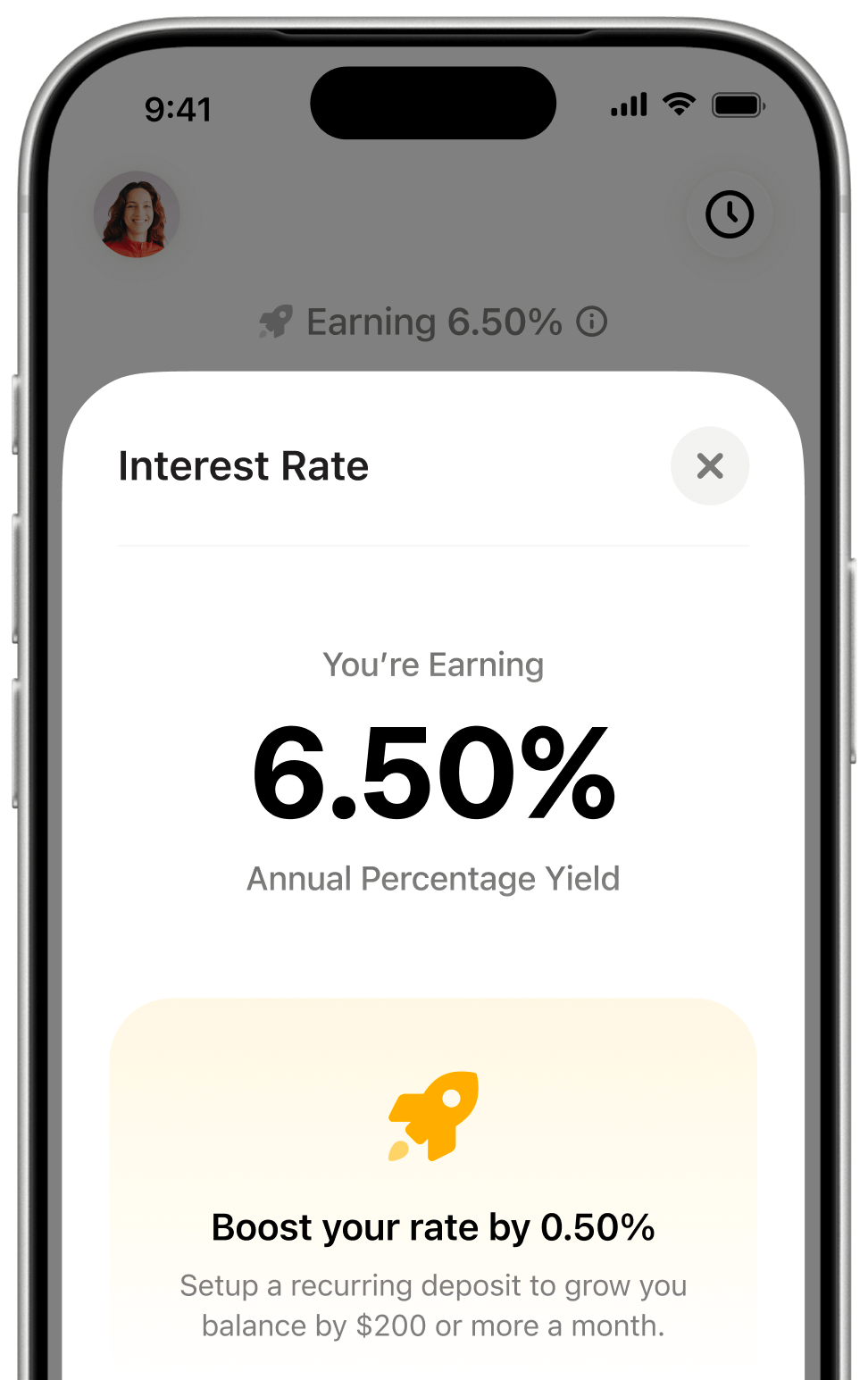
The Aave App presents the consumer-facing route into savings-style stablecoin deposits and other common actions. It packages core supply and earn behavior into a more direct interface while still relying on the underlying DeFi architecture. The official positioning emphasizes stablecoin interest and balance protection features for eligible app users, which makes the experience feel closer to a managed front end than a raw contract dashboard.
Day to day, Aave Pro V4 targets a broader power-user workflow: earn, borrow, and swap through a more complete DeFi interface built around the newer product line. Aave protocol therefore spans more than one interface. The same ecosystem supports simple stablecoin saving, active collateral management, strategy-specific borrowing, and integrations used by external applications.

Developer Integration Through Aave Kit
Importantly, Aave Kit is the integration stack for teams building lending, yield, and onchain finance products with Aave infrastructure. A developer using it cares about more than a deposit button. The key tasks include reading reserve data, quoting user capacity, preparing transactions, displaying risk metrics, and handling network-specific asset addresses with precision.
The reason builders choose Aave protocol is liquidity depth combined with battle-tested money-market primitives. Wallets, portfolio tools, institutional dashboards, strategy apps, and embedded finance products rely on protocol data to show balances, rates, collateral, and debt. Good integrations explain a user's position before submitting a transaction, because a borrow, repay, supply, or withdraw action changes the account's risk profile immediately.
Risk Controls Behind Liquidations and Parameters
Risk management is built into the market configuration. Governance-approved parameters determine which assets serve as collateral, how much each asset supports borrowing, what liquidation threshold applies, and how much exposure each reserve accepts. Caps and isolated markets reduce the damage a single asset creates when liquidity thins or prices move sharply.
Users still face smart-contract risk, oracle risk, liquidation risk, and network execution risk. The most concrete danger is borrowing too close to the liquidation line, because a sharp collateral move or rising variable rate reduces room quickly. Aave protocol handles liquidation transparently through contracts, yet the borrower is responsible for keeping enough collateral headroom.
- Supply caps limit how much of an asset enters a reserve.
- Borrow caps restrict debt exposure for selected assets.
- Liquidation thresholds define when collateral becomes eligible for liquidation.
- Oracles feed prices used to value collateral and debt.
- Governance updates parameters as market conditions and asset quality change.
Compound, Morpho, and MakerDAO Beside Aave
Several DeFi credit systems sit near Aave, but they solve adjacent problems in different ways. Compound is another algorithmic money market with pooled lending and governance-set parameters. Morpho improves capital efficiency by matching lenders and borrowers around existing liquidity designs. MakerDAO, now part of the broader Sky ecosystem, centers on minting a dollar-denominated crypto asset against collateral rather than offering the same reserve-by-reserve borrowing experience.
In practice, Aave protocol stands out through its breadth of markets, active governance, reserve-level risk tooling, and the familiar aToken model. Users who want pooled lending with variable rates gravitate toward it; users who want a collateralized debt position for a specific stable asset compare Maker-style systems; users focused on optimized matching examine Morpho-style designs. The right choice comes from the position structure, collateral type, and liquidity path.
Opening a Position Without Losing the Thread
A sensible first interaction starts with a single market, a familiar asset, and a clear purpose. Supplying a stablecoin for interest is simpler than borrowing against volatile collateral. Borrowing becomes more demanding because the user must monitor health factor, debt growth, collateral prices, and the exact network where the position lives.
Before signing, the transaction preview should show the asset, network, rate type, estimated health factor, and wallet permission being granted. After the transaction confirms, the dashboard should show the supplied balance, borrowed balance, interest rate, and any risk warnings tied to the reserve. That workflow turns Aave protocol from an abstract DeFi name into a concrete money-market account controlled by the user's wallet.
Questions people ask about Aave protocol
- What assets are commonly used as collateral in Aave markets?
- Collateral varies by market, but major deployments commonly include assets such as ETH, WETH, WBTC, USDC, USDT, DAI, and other governance-approved tokens. Each asset has separate loan-to-value, liquidation threshold, supply cap, and borrow cap settings. A token appearing in one market does not mean it has the same role in another market, so the relevant reserve configuration matters before supplying or borrowing.
- Does earning stablecoin interest on Aave require borrowing too?
- No. Supplying a supported stablecoin and borrowing are separate actions. A user supplies liquidity to a reserve and receives an interest-bearing position even without opening debt. Borrowing only enters the picture when the user chooses to use supplied collateral to draw another asset. The supplier's rate comes from borrower demand, reserve utilization, and the rate model for that specific stablecoin market.
- How long does a withdrawal from an Aave reserve take?
- A withdrawal normally settles as soon as the blockchain transaction confirms, provided the reserve has available liquidity and the wallet has enough network gas. If most liquidity in a reserve is borrowed, the available withdrawal amount shrinks until borrowers repay or new suppliers add funds. Cross-network movement adds bridge time, because withdrawing on one chain and moving assets to another chain are separate steps.
- Can I repay an Aave loan with a different token than I borrowed?
- Repayment is normally made in the same asset that was borrowed, such as repaying USDC debt with USDC. Interfaces sometimes include swap or collateral-management features that help users acquire the needed repayment asset, but the debt accounting itself tracks the borrowed token. Repaying reduces the outstanding debt and improves the account's health factor when collateral stays unchanged.
- Why did my Aave borrowing rate change after I opened a position?
- Variable borrow rates move with reserve utilization and the asset's rate curve. When a larger share of a reserve is borrowed, the rate rises to attract supply and discourage excessive borrowing. When utilization falls, the rate declines. This is normal behavior for variable-rate DeFi lending and affects the interest owed over time until the debt is repaid.
- Do I need the AAVE token to supply or borrow?
- The AAVE token is not required for ordinary supply and borrow transactions. Users need the asset they want to supply, enough gas on the relevant network, and a compatible wallet or app connection. AAVE is tied to governance and ecosystem participation rather than being a universal access token for every lending action.
- What happens if my health factor falls below the liquidation level?
- The position becomes eligible for liquidation. A liquidator repays part of the borrowed debt and receives a portion of the collateral under the market's liquidation rules. This lowers risk for the reserve but costs the borrower collateral. Keeping extra collateral, repaying debt, or reducing exposure before the threshold is reached protects the position from forced liquidation.