Aave protocol is a market-based way to earn stablecoin yield and borrow against crypto collateral
Aave protocol is a non-custodial liquidity system where users supply crypto assets to lending markets, earn interest from borrower demand, and borrow supported assets against collateral. Its current product family centers on Aave V3, the Aave App, Aave Pro V4 markets, and Aave Kit for developers. The important idea is simple: deposits become onchain liquidity, borrow rates move with market utilization, and every position is governed by collateral rules rather than a manual credit check.
The page angle here is the borrowing-and-yield workflow behind newer Aave markets, especially stablecoin supply and crypto-backed borrowing. A stablecoin holder studies market configuration, supplies assets such as USDC or other listed stablecoins, and receives a tokenized position that tracks the supplied balance plus interest. A borrower supplies approved collateral, draws debt within the market's limits, and watches the position's health factor as prices and interest rates change.
Stablecoin yield begins with supplied liquidity
Interest on Aave comes from borrowers paying variable rates to access assets in a shared liquidity pool. When a user supplies stablecoins, the protocol mints receipt-style tokens that represent the deposit. Those balances accrue as interest flows from borrowers to suppliers. The rate rises when more of the market is borrowed and falls when idle liquidity grows, so the displayed yield reflects demand inside that specific reserve.
This is why stablecoin markets matter. US dollar-pegged assets give users a more readable unit of account than volatile tokens, while the onchain market still settles through smart contracts. Aave protocol treats each listed reserve separately, so the supply rate for a stablecoin, the borrow rate for the same asset, and the collateral rules for another asset all come from that market's risk parameters.
Borrowing in V4-style markets centers on collateral quality
Borrowing starts with collateral. A user deposits an approved asset, then borrows another asset within the loan-to-value limits assigned to that collateral. Blue-chip collateral such as ETH or wrapped Bitcoin receives different treatment from strategy-specific assets, and stablecoin debt behaves differently from volatile debt. The protocol calculates the health factor from collateral value, debt value, liquidation thresholds, and price data.
Aave Pro V4 is presented around market configurations such as Main Core, Bluechip Prime, and Ethena Plus. The point of those labels is market design: one configuration emphasizes stable yield and low borrowing rates, another emphasizes predictable withdrawals and collateral availability, and another isolates strategy-specific risk around USDe and sUSDe borrowing. Those names matter because they describe the risk boundary a user enters before supplying or borrowing.
The health factor is the number borrowers cannot ignore
The health factor summarizes how much buffer a borrowing position has before liquidation. A high value signals distance from the liquidation threshold. A falling value means the account is moving closer to forced repayment, usually because collateral value dropped, debt value rose, or interest accumulated. In a volatile market, a borrower manages this by adding collateral, repaying debt, or reducing exposure before the threshold is reached.
More broadly, Aave protocol relies on price feeds to value collateral and debt. That makes oracle design central to the user experience, because liquidation is mechanical once the smart contract conditions are met. The protocol's transparency gives borrowers a live view of their position, yet the responsibility stays with the wallet owner. A single sharp move in ETH, BTC, USDe, or a listed stablecoin changes the account's risk immediately.
Where the Aave App fits into the workflow
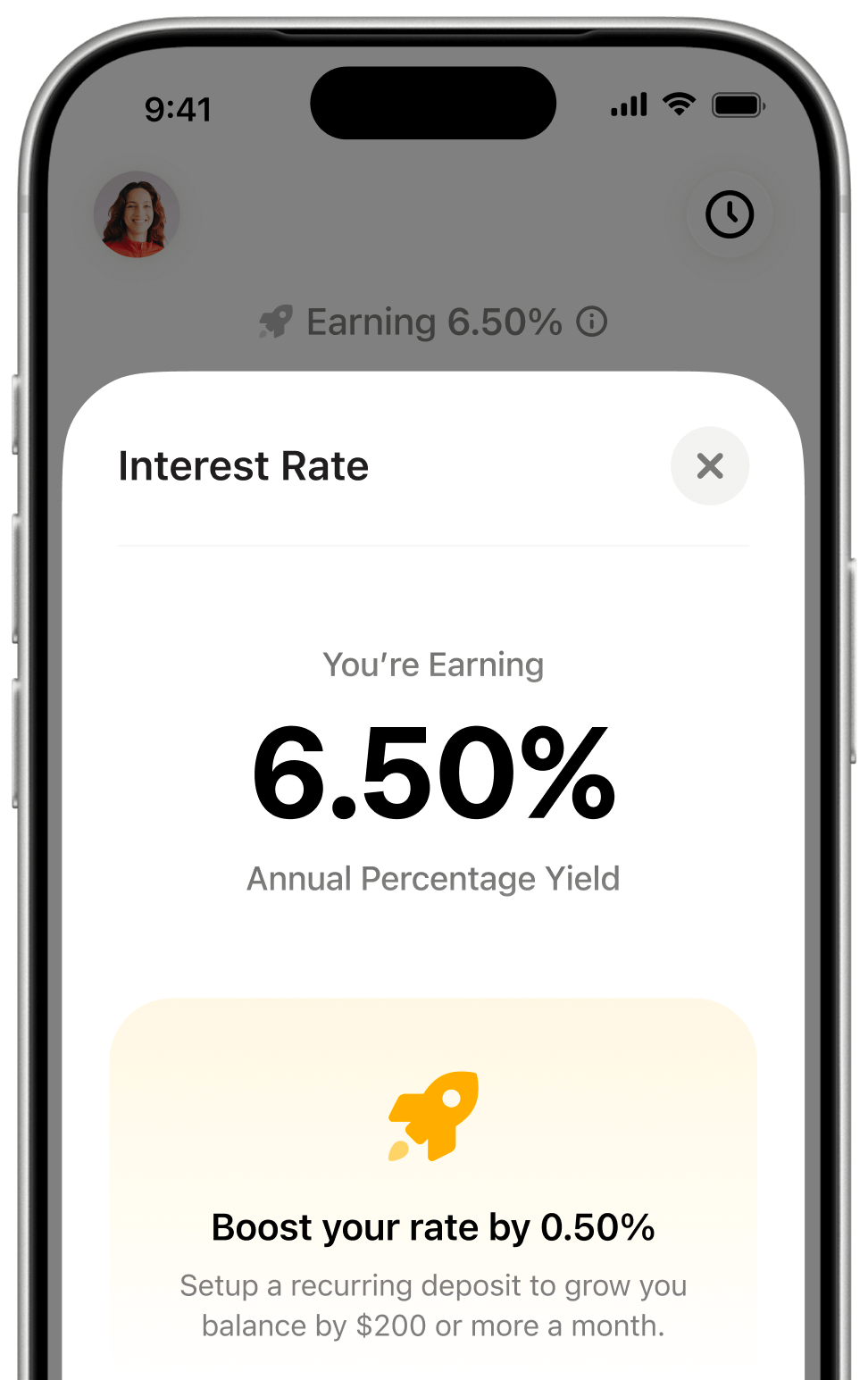
The Aave App is the user-facing path for supplying, borrowing, swapping, and managing positions. It translates market data into actions: supply, withdraw, borrow, repay, switch a position, or check account risk. The app also supports the stablecoin savings experience described by Aave's current product language, where eligible users focus on earning from stablecoin deposits with balance protection presented as part of the consumer-facing offer.
A practical first session follows a tight sequence:
- Connect a wallet that holds the asset and network gas token needed for the selected market.
- Select the exact market, such as a Core, Prime, or strategy-specific configuration.
- Review supply APY, borrow APR, utilization, collateral status, and liquidation threshold.
- Supply a small amount first, then confirm the receipt balance appears correctly.
- If borrowing, leave a wide health-factor buffer instead of drawing the maximum amount.
Aave governance decides listings, parameters, and upgrades
The AAVE token is tied to governance, where proposals and votes shape protocol settings. Governance decisions cover asset listings, risk parameters, deployments, incentive programs, and technical upgrades. This structure matters because Aave protocol is more than a single app screen; it is an ecosystem of markets whose behavior changes through formal governance rather than a private back-office rate desk.
Governance does not remove risk from a user's position. It creates a public process for changing the rules that markets use. When a proposal changes collateral factors, borrow caps, supply caps, or asset availability, active users need to understand how that change affects their own debt and supplied liquidity. Developers also follow governance because integrations depend on stable interfaces and predictable parameter updates.

Why developers build with Aave Kit
Day to day, Aave Kit is the integration stack for teams that want lending, yield, or onchain finance features inside their own products. Rather than rebuilding reserve accounting, collateral logic, and rate models from scratch, a builder connects to Aave's liquidity infrastructure and composes around it. That supports wallets, dashboards, savings products, treasury tools, and automated position managers that need access to large lending markets.
For developers, the strongest benefit is composability. A frontend, automation layer, or risk dashboard reads protocol state directly and builds a workflow around existing reserves. The integration still needs careful transaction design, clear signing flows, and user-visible risk data. Aave protocol gives the lending layer; the product around it decides how much complexity the user sees before approving a transaction.
Costs come from rates, gas, liquidation penalties, and spreads
The visible supply or borrow rate is only one cost signal. A borrower pays interest for as long as debt remains open, plus network gas for transactions. Liquidation adds another cost if the account crosses its threshold, because liquidators repay part of the debt and receive collateral with an incentive. Swaps inside an interface also carry price impact and execution costs.
Stablecoin suppliers watch a different set of costs. Low utilization reduces yield, high utilization affects withdrawal comfort, and moving assets between chains or markets introduces extra gas and bridge exposure. Aave protocol rates are transparent, but they are live market rates. The best reading of a market includes utilization, available liquidity, caps, oracle source, and the history of parameter changes.
Compound, Morpho, and Sky beside Aave markets
Users comparing DeFi credit markets commonly look at Compound, Morpho, and Sky alongside Aave. Compound focuses on lending markets with algorithmic rates and a long Ethereum history. Morpho emphasizes peer-to-peer matching and vault-style lending infrastructure. Sky, the evolution of MakerDAO, centers on collateralized stablecoin systems and savings-style products tied to its own stable assets.
| Protocol | Primary lending style | Distinctive detail |
|---|---|---|
| Aave | Pooled liquidity markets | Multi-market collateral borrowing with Aave V3 and Aave Pro V4 configurations |
| Compound | Algorithmic money markets | Long-running model for supplying collateral and borrowing from isolated markets |
| Morpho | Optimized lending layers | Matches lenders and borrowers through vaults and market-specific risk choices |
| Sky | Collateralized stable asset system | Built around stablecoin issuance, savings features, and governance-managed collateral |
The choice comes down to desired collateral, preferred stable asset, liquidation design, available liquidity, and interface quality. Aave protocol remains a major option for users who want deep pooled liquidity, recognized collateral categories, and an app experience that connects supply, borrow, and swap actions in one place.
The main tradeoffs behind self-custodied lending
Self-custodied DeFi lending gives users direct control over wallet approvals and positions. That strength also concentrates operational responsibility. A bad signature, compromised wallet, misunderstood market, or overextended borrow position creates real loss. The protocol's bug bounty, audit materials, governance forum, and risk parameters exist to reduce technical and market risk, while individual transaction hygiene remains part of every session.
Importantly, Aave protocol works best when treated as infrastructure with rules, not as a passive account. Supplying stablecoins, borrowing against ETH, using USDe strategies, or building with Aave Kit all require the same core habit: read the market before the transaction. The strongest users understand the asset, the chain, the rate model, the liquidation threshold, and the exit path before they approve funds.
Frequently asked questions about Aave protocol
- What fees matter most before borrowing stablecoins on Aave?
- The main costs are the variable borrow rate, network gas, and liquidation penalty if the account becomes undercollateralized. Borrowers also pay attention to price impact when swapping borrowed assets and to the cost of repaying from another wallet or chain. The displayed borrow APR is important, but the full position cost includes transaction execution and the risk of forced liquidation.
- Does supplying stablecoins on Aave create a fixed interest rate?
- Supplying stablecoins earns a market-driven rate, not a fixed coupon. The rate changes as borrowers draw or repay liquidity in that reserve. Higher utilization pushes supplier rates upward, while excess idle liquidity lowers them. A supplied balance is represented by protocol accounting tokens that reflect the user's share of the reserve and the interest earned over time.
- Can I borrow against ETH without selling it?
- Yes. A user supplies ETH or a supported wrapped version as collateral, then borrows a listed asset within the market's collateral limits. The position keeps exposure to the collateral asset while creating debt in the borrowed asset. If the collateral price falls far enough relative to the debt, liquidation rules activate, so borrowers keep a health-factor buffer.
- Which wallet requirements apply before using Aave Pro V4 markets?
- A compatible self-custody wallet is required, along with the asset being supplied and the chain's native gas token for transaction fees. The wallet must sign approvals and transaction confirmations. Users also need access to the specific network where the selected market operates, because assets and balances do not automatically appear across every chain.
- Stablecoin withdrawals from Aave: why would liquidity be unavailable?
- Withdrawals depend on available liquidity in the reserve. If most of a stablecoin reserve is borrowed, immediate withdrawal capacity falls until borrowers repay, new suppliers add funds, or market conditions change. Some newer market configurations emphasize predictable withdrawals, but users still read utilization and available liquidity before treating a position as instantly exit-ready.
- Do builders need AAVE tokens to integrate lending features?
- Developers do not need governance tokens just to build an interface or integration that reads protocol data and sends user transactions. AAVE tokens matter for governance participation, proposal voting, and protocol-level decision making. Product teams using Aave Kit focus on wallet flows, risk displays, supported assets, transaction routing, and clear user consent around supplied or borrowed funds.