Aave protocol is the open-source liquidity layer behind Aave V3 markets
Aave protocol is the open-source liquidity layer for non-custodial borrowing and lending, built around pooled markets where users supply crypto assets, earn variable interest, and borrow against eligible collateral. Its V3 design centers on risk parameters, isolated asset configurations, and multi-market liquidity so stablecoin suppliers, ETH holders, and builders all interact with the same onchain credit machinery.
Markets for USDC, USDT, DAI, ETH, and wrapped assets
The protocol organizes activity into markets rather than bilateral loans. A supplier deposits an asset such as USDC, USDT, DAI, WETH, wstETH, WBTC, or other supported collateral into a pool. Borrowers draw liquidity from that pool when they post enough eligible collateral and remain inside the required health factor. Interest accrues block by block through the market's interest-rate strategy, so rates move as utilization changes.
Aave V3 is recognized for stablecoin liquidity because dollar-denominated assets give borrowers a clean unit of account and give suppliers a rate tied to real borrowing demand. The same design also supports ETH-correlated collateral, liquid staking tokens, and wrapped Bitcoin exposure. Each listed reserve has its own loan-to-value, liquidation threshold, liquidation bonus, supply cap, borrow cap, and interest-rate curve.
How variable-rate borrowing settles onchain
A borrow position begins after collateral is supplied and enabled. The borrower selects an asset, chooses an amount within the account's risk limits, and receives tokens directly from the reserve. The debt balance then grows according to the current variable borrow rate. That rate is calculated from utilization: when a larger share of a reserve is borrowed, the rate rises; when liquidity is abundant, it falls.
This design gives Aave protocol a transparent credit model. There is no private order book or manual approval process for standard users. Smart contracts track collateral, debt, accrued interest, and liquidation conditions. Repayment reduces the debt token balance, and withdrawing collateral becomes available once the account remains above the required risk threshold.
Stablecoin supply yield and where it comes from
Supplying stablecoins earns yield from borrowers who pay interest to access liquidity. The supply rate is lower than the borrow rate because the reserve must retain incentives for liquidity and account for protocol-level economics. Rates are live market outputs, not fixed coupons, so a USDC supply rate changes when borrower demand, available liquidity, and the interest-rate curve change.
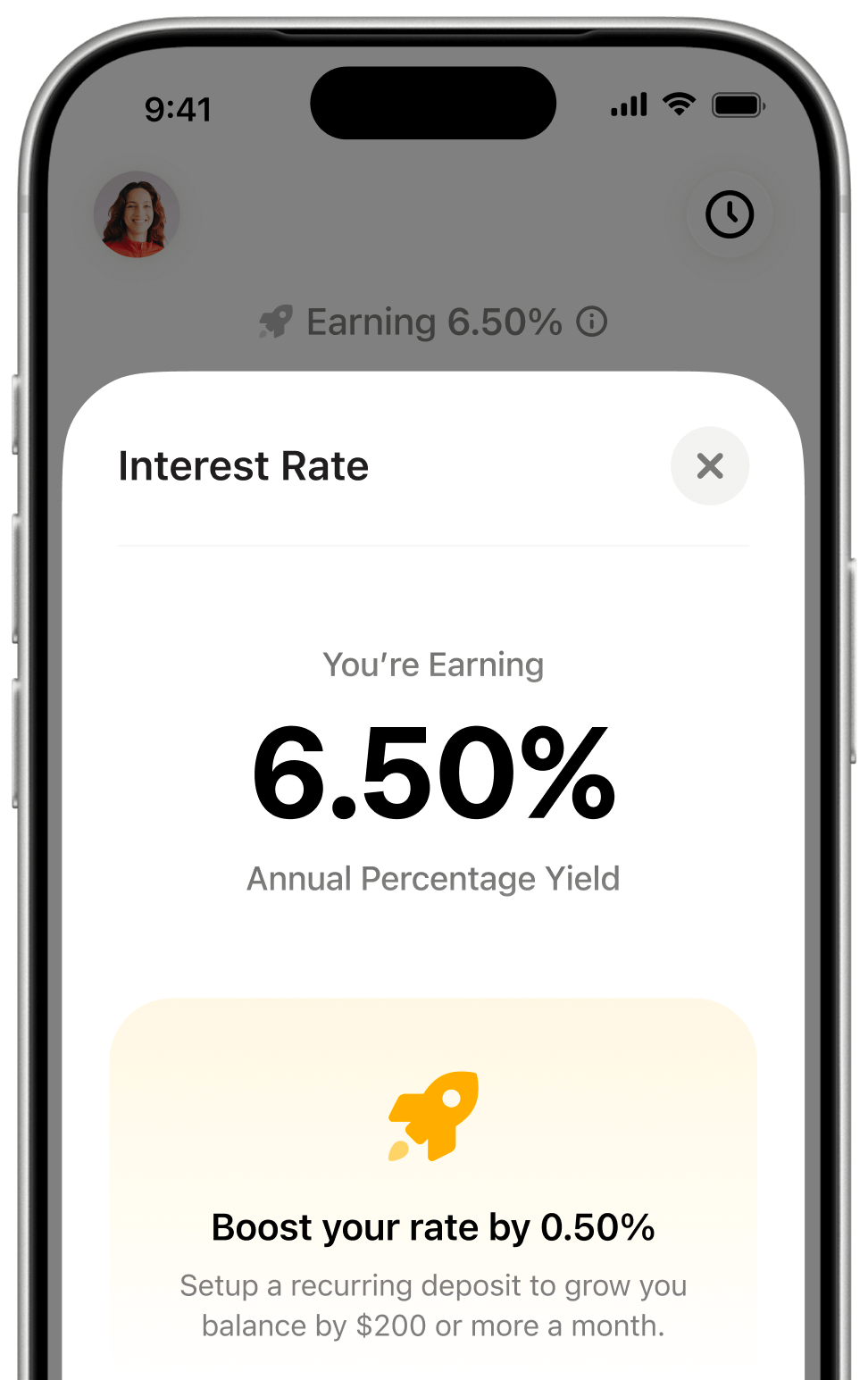
More broadly, Aave protocol also supports user-facing savings and app experiences built on top of the same liquidity markets. The official product messaging highlights stablecoin earning and balance protection features for the app experience, while the underlying V3 markets remain the onchain source of the lending and borrowing activity. That distinction matters: a polished app screen and the smart contract market are connected, but they are different layers of the user journey.
Collateral rules, health factor, and liquidations
The health factor is the main safety number for a borrowing account. It compares the value of collateral against borrowed assets after applying each reserve's risk parameters. A value above 1 means the position is inside the required collateralization range. When market movement or accrued debt pushes the value below 1, liquidators repay part of the debt and receive collateral with a liquidation bonus.
Risk settings are not identical across assets. Blue-chip reserves receive different parameters from newer or more volatile assets, and isolated configurations restrict how certain collateral interacts with the rest of the market. Aave protocol uses these controls to separate higher-risk listings from general-purpose collateral while still allowing new markets and strategies to exist under defined boundaries.
Supplying assets without giving up custody
A supplier keeps control through a wallet and interacts with smart contracts directly or through an interface. After approving the token, the user supplies it to a reserve and receives an accounting position that represents the supplied balance plus accrued interest. The position updates as the pool earns interest, and the supplier withdraws when enough liquidity is available in that reserve.
This workflow is especially common for stablecoins. Someone holding USDC or DAI supplies liquidity, monitors the variable annualized rate, and keeps an eye on whether the reserve has enough available liquidity for withdrawals. Aave protocol adds depth for users who want to borrow too, because supplied assets become collateral once the user enables them for that purpose.
Borrowing stablecoins against ETH or Bitcoin exposure
A common V3 use case is borrowing a stablecoin while retaining exposure to ETH, wrapped Bitcoin, or liquid staking collateral. The user supplies collateral, borrows USDC or another supported asset, and manages the position as prices move. If collateral value falls, the health factor declines; if debt grows through interest, the same risk number moves lower over time.
That structure appeals to users who want liquidity without selling a core position, but it demands active risk management. A borrower should understand liquidation thresholds, oracle pricing, borrow rate movement, and the cost of unwinding during volatile markets. The protocol enforces the rules mechanically, so late repayment or sharp price changes create direct consequences for the account.

GHO, governance, and the wider Aave stack
GHO is Aave's native overcollateralized stablecoin, minted through approved facilitators under governance-defined rules. It connects the lending market to a broader monetary layer because minting, risk limits, and integrations are governed by the Aave community. The AAVE token participates in governance, where proposals adjust parameters, add markets, manage treasury activity, and guide protocol upgrades.
The wider stack now includes Aave V3, Aave Pro, Aave Kit, governance resources, developer documentation, security materials, and app experiences. Builders use the integration stack to create lending, yield, and onchain financial products that rely on Aave liquidity. Aave protocol therefore functions both as a user-facing DeFi market and as infrastructure for products that need programmable credit.
Getting started with a V3 market position
The first decision is the market and network. Users look for the asset they hold, the asset they want to borrow or earn on, the available liquidity, and the listed risk parameters. After connecting a compatible wallet, the core steps are direct:
- Choose a supported V3 market and confirm the asset is listed there.
- Approve the token only for the amount needed or for a chosen allowance.
- Supply the asset and review the received position in the interface.
- Enable collateral only when borrowing is part of the plan.
- Borrow within a health factor buffer that leaves room for price movement.
- Track variable rates, utilization, and liquidation risk after the transaction settles.
Gas costs and network choice shape the experience. Ethereum mainnet gives access to deep liquidity, while layer 2 markets reduce transaction cost for smaller position management. Aave protocol is strongest when the user treats the dashboard as an active risk surface rather than a set-and-forget deposit screen.
How Aave differs from Compound and Morpho
Compound, Morpho, and Aave all serve onchain credit demand, but the market designs differ. Compound's newer deployments emphasize streamlined base assets and collateral modules. Morpho focuses on peer-to-peer matching and vault curation layered over lending markets. Aave protocol leans into broad pooled liquidity, governance-controlled reserve parameters, and multi-market V3 features such as caps and isolation controls.
Choosing between them comes down to the position. A stablecoin supplier compares current supply rates, withdrawal liquidity, risk settings, and the chain where they already hold funds. A borrower compares collateral eligibility, borrow depth, liquidation parameters, and the expected rate path. Brand size matters less than the exact reserve configuration used for the transaction.
Security model and risks worth understanding
Security rests on audited smart contracts, governance processes, oracle design, risk service providers, and community monitoring. The protocol publishes security resources and runs responsible disclosure programs, but every onchain loan still depends on contract execution and market liquidity. Oracle errors, governance mistakes, bridge issues on connected networks, or extreme price moves all affect real positions.
The most important user-level risk is liquidation. Stablecoin suppliers face different concerns: smart contract exposure, changing rates, and reserve liquidity during periods of heavy borrowing. Aave protocol gives users detailed market data, but the contracts will not pause a liquidation simply because a borrower intended to add collateral later.
Key questions about Aave protocol
- What stablecoins are commonly used in Aave V3 markets?
- USDC, USDT, DAI, and GHO are among the stablecoin assets users associate with Aave V3 markets, though exact availability changes by market and network. Each reserve has its own liquidity, supply rate, borrow rate, caps, and risk settings. A user should evaluate the specific reserve rather than assuming every stablecoin has the same collateral status or withdrawal depth.
- Which networks matter most when choosing a stablecoin market?
- The right network depends on liquidity depth, transaction cost, and where the user's assets already sit. Ethereum mainnet provides deep liquidity for major reserves, while layer 2 deployments make smaller adjustments cheaper. The same token can have different rates, caps, and available liquidity across networks, so the reserve page matters more than the asset name alone.
- Can supplied collateral be withdrawn while it backs an active loan?
- Collateral can be withdrawn only if the account remains above the required health factor after the withdrawal. If removing collateral would make the position too risky, the transaction fails or the interface blocks the action. Repaying debt, adding more collateral, or withdrawing a smaller amount restores room for movement.
- How long does supplied stablecoin interest take to accrue?
- Interest accrues continuously through the market's accounting rather than arriving as a monthly payout. The displayed balance updates as the reserve earns interest from borrowers, and the annualized rate changes as utilization changes. When a user withdraws, the redeemed amount reflects the supplied position plus accrued interest that exists under the current reserve state.